

national bullying helpline cONTACT: 0300 323 0169
The NATIONAL BULLYING HELPLINE DESCRIBES Gaslighting As a ‘label’ which embraces a cocktail of inappropriate and often manipulative workplace practices. Sadly, these unacceptable practices are commonplace. Historically, we have described these practices as ‘subtle workplace bullying’.
Typically, an employee cannot ‘put their finger on the problem’. They believe they are imagining things. They may even feel ‘non-credible’. All the employee knows is they feel constantly undermined or excluded and they start to develop trust issues within the workplace. Their confidence and productivity levels suffer. They start to feel unwell. They may even be signed off work by their GP with work-related stress.
Gaslighting is classic abuse of power. It is bullying. It’s a manipulate power-game, which individuals or groups of individuals play within a workplace with deliberate intent to control an individual or control a situation. A perpetrator could be a co-worker or a line manager. However, Gaslighting may be cultural ie: from the top down, condoned at Corporate management level. It’s an entirely unacceptable, subtle, management style. If you are affected by any of the issues described on this website, you can seek help from the National Bullying Helpline here.
books
during my own experience of gaslighting, I devoured any resource i could in order to learn more about what was happening to me, and to find ways to combat and survive it. Below I’ve linked some of the books which I found to be most enlightening, supportive or otherwise useful to confirm that what was happening to me wasn’t my fault.
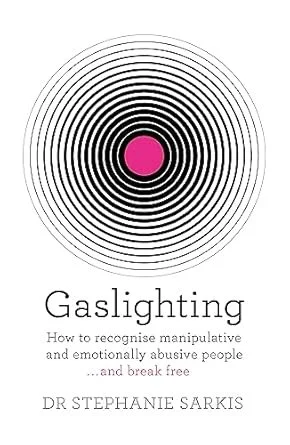
This book by Dr Stephanie Sarkis was one of the first I read on Gaslighting. It really opened my eyes because I could relate to so many of the behaviours and instances described in it. I was experiencing so many typical gaslighting tactics but was completely oblivious, I was putting everything down to me losing my edge, getting older, perimenopause etc. It was a difficult read personally, but also so reassuring as made me feel seen and vindicated. You can buy this book on Amazon here
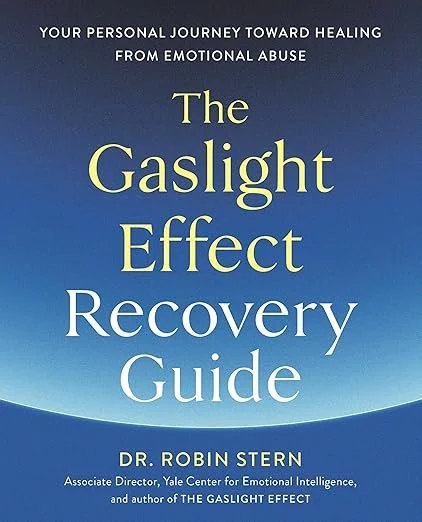
Dr Robin Stern’s workbook was also really useful. Although not specific to the workplace I found that it was still relevant. And through learning about workplace gaslighting, I also saw where it was happening in my personal life, although thankfully to a lesser extent. Gaslighting can exist frequently in families, not just in romantic relationships, and it can be so entrenched that neither the galigther nor the target may be aware of it happening. This can often be due to parents having been gaslighters, so the behavioiur is almost expected. You can buy this book on Amazon here
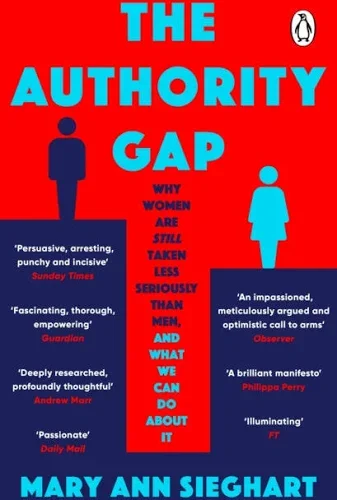
Mary Ann Sieghart’s book The Authority Gap isn’t specifically about gaslighting, but it did help me understand why women are more likely to be gaslit at work than men. And lots of the anecdotes in this book describe behaviour which I now recognise not only as bullying, but specifically as gaslighting. One of the best things about this book is that it leaves you with hope - the final chapter of the book shows what we as colleagues, parents, workplaces etc can do to elimate the authority gap, which in turn, i believe, would go a long way to eliminating gaslighting too. You can buy this book on Amazon here